
The Journey of Marketing: From Ink to Intelligence
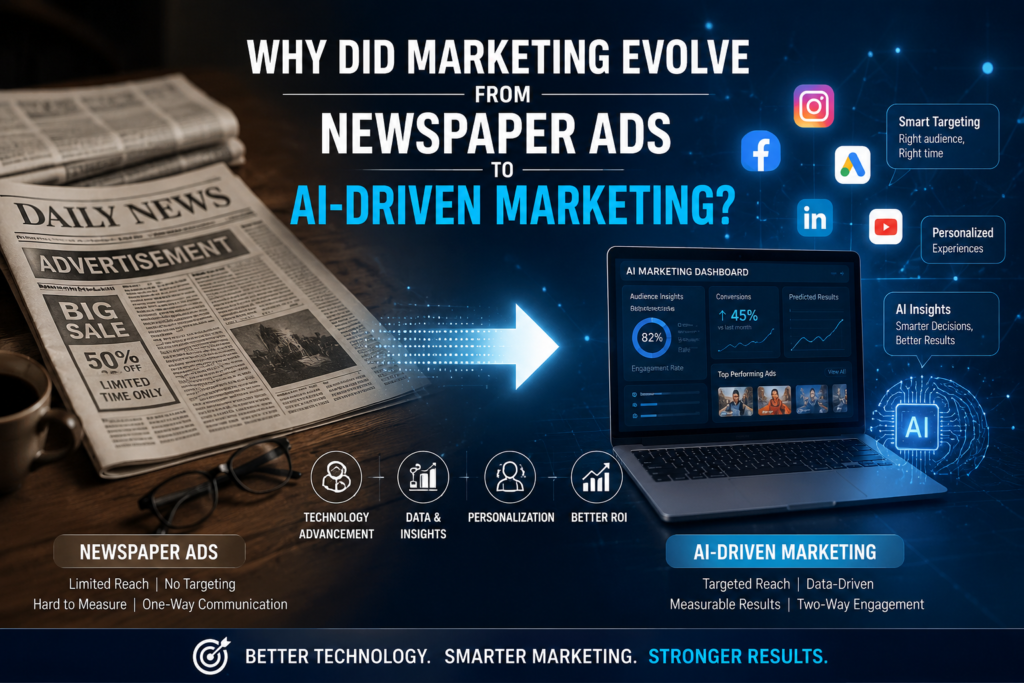
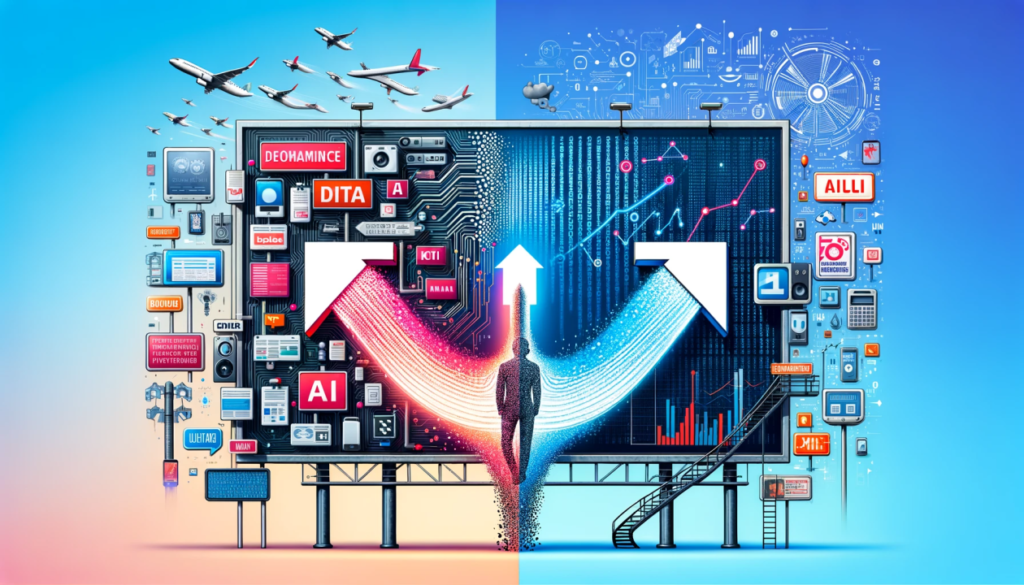
Marketing has never been static. It has always evolved alongside technology, consumer behavior, and communication methods. A century ago, businesses relied on newspapers to reach customers. Today, Artificial Intelligence (AI) analyzes customer behavior in real time and delivers personalized advertisements within seconds.
This transformation wasn’t just about adopting new technology—it was about meeting changing customer expectations.
Let’s explore why marketing evolved from newspaper advertisements to AI-driven marketing and what this means for businesses and marketers today.
The Era of Newspaper Advertising
For decades, newspapers were one of the most powerful marketing channels.
Businesses placed advertisements because newspapers had a massive readership, making them the best medium to reach local audiences.
Advantages of Newspaper Marketing
- High credibility
- Large local audience
- Easy to understand
- Suitable for retail businesses
- Strong brand visibility
Businesses such as clothing stores, educational institutes, hospitals, restaurants, and real estate companies depended heavily on newspaper advertisements to generate customers.
However, despite their popularity, newspaper ads had significant limitations.
Limitations
- No audience targeting
- Difficult to measure ROI
- High printing costs
- Short advertisement lifespan
- No customer interaction
- One message for everyone
Marketers had no way of knowing who actually read the advertisement or whether it generated sales.
Marketing decisions were largely based on assumptions rather than data.
The Rise of Digital Marketing
The internet completely changed how businesses communicated with customers.
As people started spending more time online, marketing gradually shifted from print media to digital platforms.
Businesses discovered that digital marketing offered something newspapers never could—measurable results.
Instead of hoping someone noticed an advertisement, marketers could now track:
- Website visitors
- Clicks
- Leads
- Purchases
- Customer journeys
- Return on investment (ROI)
This data-driven approach transformed marketing into a measurable business function.
Social Media Changed Consumer Behavior
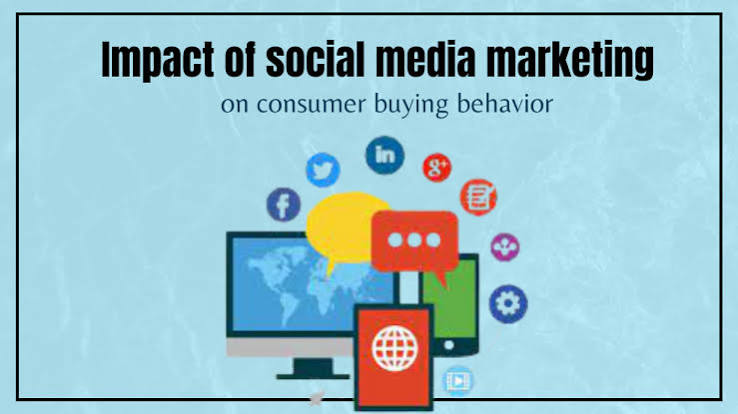
Platforms like Facebook, Instagram, LinkedIn, YouTube, and X (formerly Twitter) didn’t just create new advertising spaces—they changed how people consumed information.
Consumers no longer waited for advertisements.
They searched for products, watched reviews, compared prices, and interacted with brands before making purchasing decisions.
This meant businesses had to become:
- More informative
- More engaging
- More responsive
- More customer-focused
Marketing evolved from “broadcasting messages” to “building relationships.”
Why Traditional Marketing Was No Longer Enough
Modern consumers expect personalized experiences.
Imagine receiving advertisements for products you’ve never shown interest in.
Most people simply ignore them.
Businesses realized they needed answers to questions like:
- Who is my customer?
- What do they like?
- When are they most active?
- Which platform do they use?
- What motivates them to buy?
Finding these answers manually became nearly impossible as customer data grew exponentially.
This challenge paved the way for Artificial Intelligence.
The AI Revolution in Marketing
Artificial Intelligence doesn’t replace marketers.
It helps marketers make smarter decisions using data.
AI processes millions of customer interactions within seconds and identifies patterns that humans would take weeks—or even months—to uncover.
Today, AI helps businesses:
- Understand customer behavior
- Predict future buying decisions
- Recommend products
- Personalize emails
- Optimize advertisements
- Create content
- Improve customer service
- Automate repetitive tasks
Instead of guessing what customers want, businesses now use AI to make informed decisions backed by data.
Personalization Became the New Marketing Standard
One of the biggest reasons marketing evolved is personalization.
Customers expect brands to understand their preferences.
For example:
A student searching for “Digital Marketing Course” may later see relevant educational advertisements on Instagram, Google, or YouTube.
Similarly, an online shopper who views running shoes may receive personalized recommendations, discount offers, or reminder emails.
This level of personalization would have been impossible with newspaper advertising.
AI makes it possible by analyzing customer behavior in real time.
Better Targeting Means Better Results
Traditional marketing targeted everyone.
AI-driven marketing targets the right people.
Instead of spending a large budget on a broad audience, businesses can reach customers based on:
- Age
- Location
- Interests
- Profession
- Purchase history
- Online behavior
- Device usage
- Search intent
This improves campaign performance while reducing advertising costs.
AI Saves Time and Improves Efficiency
Modern marketing involves hundreds of repetitive tasks.
AI automates many of them, including:
- Email campaigns
- Customer segmentation
- Lead scoring
- Social media scheduling
- Ad optimization
- Chatbots
- Performance reporting
- Keyword research
This allows marketers to focus on creativity, strategy, and customer experience rather than manual work.
Data Became the New Currency
Earlier, businesses relied on intuition.
Today, successful marketing relies on data.
Every customer interaction generates valuable insights.
AI helps businesses answer questions such as:
- Which campaign generated the highest ROI?
- Which audience converts the most?
- What content performs best?
- Which keywords attract quality traffic?
- When should advertisements run?
The result is smarter marketing with better decision-making.
AI Doesn’t Replace Human CreativityAI Doesn’t Replace Human Creativity
A common misconception is that AI will replace marketers.
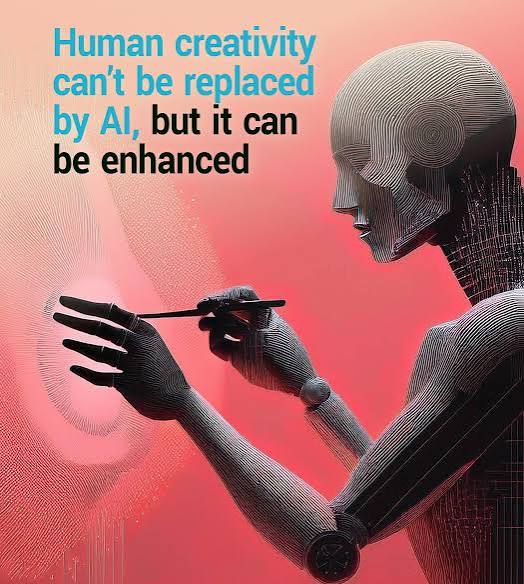
The reality is different.
AI can analyze data, automate workflows, and generate ideas, but it cannot fully replace:
- Human creativity
- Emotional storytelling
- Brand strategy
- Cultural understanding
- Relationship building
- Ethical judgment
The strongest marketing campaigns combine human creativity with AI-powered intelligence.
Think of AI as a powerful assistant—not a replacement.
What Businesses Should Learn
The evolution from newspaper advertising to AI-driven marketing teaches one important lesson:
Businesses must evolve with customer behavior.
The companies that adapt to changing technology gain a competitive advantage.
Those that resist change risk becoming invisible.
Whether you’re a startup, an educational institute, a local business, or a global brand, AI-driven marketing offers opportunities to:
- Reach the right audience
- Reduce marketing costs
- Improve customer experience
- Increase conversions
- Scale faster
The Future of Marketing
Marketing will continue to evolve.
Emerging technologies such as generative AI, predictive analytics, voice search, augmented reality (AR), and intelligent automation are already reshaping how brands interact with customers.
Future marketers won’t just create campaigns—they’ll design personalized customer experiences powered by data and AI.
The businesses that invest in learning these technologies today will be better prepared for tomorrow’s digital economy.
Why Did Marketing Evolve from Newspaper Ads to AI-Driven Marketing?
Marketing has always followed one simple rule: go where your audience is.
Years ago, newspapers were the primary source of information. Businesses placed ads there because that was where people spent their time.
Then came radio, television, websites, search engines, and social media. Consumer behavior changed, so marketing changed too.
Today, AI is transforming marketing once again.
AI helps businesses:
- Understand customer behavior in real time.
- Create personalized experiences.
- Automate repetitive tasks.
- Predict future trends.
- Improve campaign performance with data-driven insights.
The goal hasn’t changed—connecting with the right audience at the right time. What has changed is the speed, precision, and technology behind it.
The future of marketing isn’t about replacing human creativity with AI. It’s about combining creativity with intelligent technology to deliver better results.
Question:
Which marketing era do you think had the biggest impact on businesses?
- Newspaper
- Television
- Social Media
- AI-Driven Marketing
Conclusion
The shift from newspaper ads to AI-driven marketing wasn’t a sudden leap—it was a response to changing consumer expectations, technological innovation, and the growing importance of data.
Newspaper advertising laid the foundation by helping businesses reach communities. Digital platforms expanded that reach globally. AI has now taken marketing a step further by enabling personalization, automation, and predictive decision-making at scale.
The essence of marketing, however, remains unchanged: understanding people and delivering value. While the tools have evolved from printed pages to intelligent algorithms, the goal is still the same—building meaningful connections between businesses and their customers.
The future belongs to marketers who combine human creativity with AI-powered insights to create experiences that are relevant, ethical, and impactful.
How has AI changed the way you market your business or build your career? Share your thoughts in the comments—I’d love to hear your perspective.
FAQs
1. Why did marketing evolve from newspaper ads to AI-driven marketing?
Marketing evolved because consumer behavior shifted toward digital platforms. AI enables businesses to target the right audience, personalize campaigns, analyze customer data, and measure results more accurately than traditional newspaper advertising.
2. What are the main differences between newspaper advertising and AI-driven marketing?
Newspaper advertising offers broad reach but limited targeting and measurable results. AI-driven marketing provides personalized campaigns, real-time analytics, automation, audience segmentation, and higher ROI.
3. How does AI improve marketing strategies?
AI improves marketing by analyzing customer behavior, predicting trends, automating repetitive tasks, optimizing ad campaigns, creating personalized experiences, and helping businesses make data-driven decisions.
4. Is AI replacing traditional marketing?
No. AI is not replacing traditional marketing entirely. Instead, it enhances marketing by combining automation, data analysis, and personalization while marketers continue to provide creativity, strategy, and storytelling.
5. What are the benefits of AI-driven marketing for businesses?
AI-driven marketing helps businesses reduce advertising costs, improve customer targeting, increase engagement, automate campaigns, generate better leads, and maximize return on investment (ROI).
6. Why is personalization important in modern marketing?
Today’s customers expect relevant and personalized experiences. AI analyzes user preferences and behavior to deliver customized content, product recommendations, and advertisements, leading to higher conversion rates.
7. Can small businesses benefit from AI-driven marketing?
Yes. Small businesses can use AI-powered tools for social media management, email marketing, chatbots, content creation, customer support, and ad optimization without requiring a large marketing budget.
8. What role does data play in AI-driven marketing?
Data is the foundation of AI-driven marketing. AI uses customer data to identify patterns, understand user behavior, predict future actions, and optimize marketing campaigns for better performance.
9. What industries benefit the most from AI-driven marketing?
Almost every industry benefits from AI-driven marketing, including e-commerce, education, healthcare, real estate, finance, travel, retail, hospitality, and professional services.
10. What is the future of AI in marketing?
The future of AI in marketing includes predictive analytics, hyper-personalization, AI-generated content, voice search optimization, conversational AI, intelligent automation, and enhanced customer experiences powered by machine learning.