
Introduction: Marketing That Feels Personal
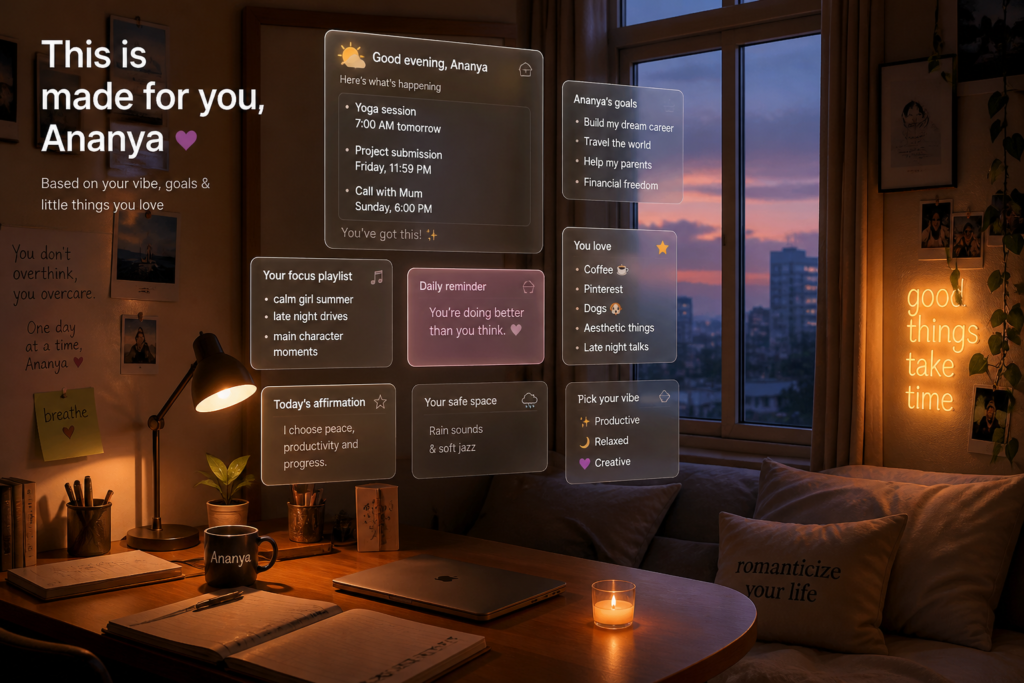
Think about the last time you opened an app or website and felt like it just understood you. The products shown were exactly what you needed. The email you received felt like it was written just for you. The ad you saw matched your mood, your interest, even your timing.
That’s not coincidence. That’s hyper-personalization.
In today’s digital world, people are no longer impressed by generic messages. “Dear Customer” doesn’t work anymore. Audiences want brands to know them, understand them, and respond to them in real time. This is where hyper-personalization becomes powerful—it transforms marketing from broadcasting to meaningful conversations.
What is Hyper-Personalization?
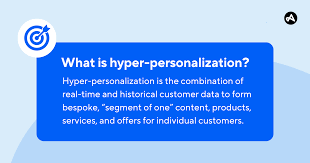
Hyper-personalization is an advanced marketing strategy that uses real-time data, artificial intelligence (AI), and machine learning to deliver highly relevant content, products, and experiences to individual users.
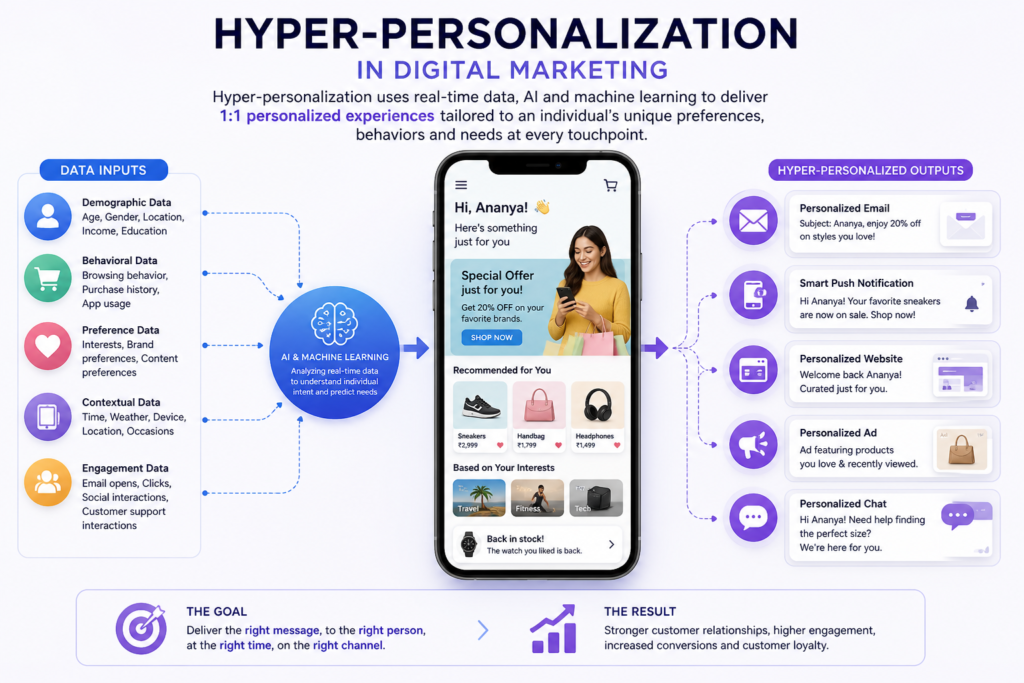
Unlike traditional personalization (like adding a first name in an email), hyper-personalization goes much deeper. It considers:
- Browsing behavior
- Purchase history
- Location
- Device usage
- Time of interaction
- Preferences and interests
It’s not just about who you are—it’s about what you need right now.
Why Hyper-Personalization Matters Today
The digital space is crowded. Every brand is competing for attention. But attention today is earned, not demanded.
Here’s why hyper-personalization is becoming essential:
1. Customers Expect It
People are used to personalized experiences from platforms like streaming apps and e-commerce websites. This has raised expectations across all industries.
2. Attention Span is Short
You have only a few seconds to grab someone’s attention. Generic content gets ignored. Relevant content gets noticed.
3. Builds Stronger Relationships
When a brand understands you, you feel valued. This builds trust, loyalty, and long-term relationships.
4. Higher Conversion Rates
Relevant offers and content increase the chances of purchase. Simply put—when you show people what they want, they are more likely to buy.
Hyper-Personalization vs Personalization
Let’s make it simple:
| Personalization | Hyper-Personalization |
|---|---|
| Uses basic data | Uses real-time, behavioral data |
| Static content | Dynamic content |
| Same message for segments | Unique message for individuals |
| Example: “Hi Nisha” | Example: “Nisha, your favorite skincare product is back in stock!” |
Hyper-personalization goes beyond names—it focuses on intent and behavior.
How Hyper-Personalization Works
Hyper-personalization works through a combination of technologies and data analysis:
1. Data Collection
Brands collect data from multiple sources:
- Website visits
- Social media activity
- Purchase history
- App usage
2. Data Analysis
AI tools analyze patterns and predict behavior. For example:
- What product you might buy next
- What time you are most active
- What type of content you prefer
3. Real-Time Execution
Based on insights, content is delivered instantly:
- Personalized emails
- Product recommendations
- Dynamic website content
- Targeted ads
Real-Life Examples of Hyper-Personalization
1. E-commerce Platforms
When you visit an online store and see “Recommended for You,” that’s hyper-personalization. It’s based on your previous searches and purchases.
2. Email Marketing
Emails that suggest products based on your browsing history feel more relevant than generic promotions.
3. Streaming Services
Content recommendations are based on your viewing habits, making the experience more engaging.
4. Social Media Ads
Ever searched for something and then saw ads about it everywhere? That’s personalized advertising in action.
Key Benefits of Hyper-Personalization
1. Improved Customer Experience
People enjoy experiences that feel tailored to them. It reduces effort and increases satisfaction.
2. Increased Engagement
Relevant content leads to higher clicks, likes, and interactions.
3. Better ROI
Marketing becomes more efficient when it targets the right audience at the right time.
4. Strong Brand Loyalty
Customers stick with brands that understand and value them.
Challenges of Hyper-Personalization
While hyper-personalization is powerful, it’s not without challenges:
1. Data Privacy Concerns
Customers are becoming more aware of how their data is used. Brands must be transparent and responsible.
2. Data Management
Handling large amounts of data requires advanced tools and systems.
3. Technology Dependency
AI and automation tools are essential, but they can be costly and complex.
4. Over-Personalization
Too much personalization can feel intrusive. There’s a fine balance between helpful and creepy.
How to Implement Hyper-Personalization
If you want to apply hyper-personalization in digital marketing, here are practical steps:
1. Understand Your Audience
Collect and analyze customer data to understand behavior and preferences.
2. Use AI and Automation Tools
Tools help process data and deliver personalized experiences at scale.
3. Segment Smartly
Instead of broad segments, create micro-segments based on behavior.
4. Deliver Real-Time Content
Use dynamic content that changes based on user actions.
5. Respect Privacy
Be transparent about data usage and follow ethical practices.
Hyper-Personalization in Different Channels
1. Website Personalization
- Show different content to different users
- Personalized landing pages
2. Email Marketing
- Product recommendations
- Behavior-based emails
3. Social Media Marketing
- Targeted ads
- Personalized messaging
4. Mobile Apps
- Push notifications based on user activity
The Role of AI in Hyper-Personalization
Artificial Intelligence plays a major role in making hyper-personalization possible:
- Predicts user behavior
- Automates decision-making
- Processes large datasets quickly
- Delivers real-time recommendations
AI makes marketing smarter, faster, and more accurate.
Future of Hyper-Personalization
The future is even more exciting. Hyper-personalization will become:
1. More Predictive
Brands will know what customers need before they even search for it.
2. Voice and Visual-Based
Personalization will extend to voice assistants and visual search.
3. Emotion-Based Marketing
Technology may analyze emotions to deliver even more relevant experiences.
4. Privacy-First Personalization
Brands will focus on personalization without compromising user trust.
Human Touch in Hyper-Personalization
Here’s something important—hyper-personalization is not just about technology. It’s about human connection.
People don’t want to feel like data points. They want to feel understood.
The best brands combine:
- Data + Emotion
- Technology + Empathy
- Automation + Creativity
Because at the end of the day, marketing is about people.
Conclusion: Marketing That Feels Like a Conversation
Hyper-personalization is not just a trend—it’s the future of digital marketing. It shifts the focus from selling products to building relationships.
In a world full of noise, personalization creates clarity.
In a world full of options, it creates relevance.
And in a world full of competition, it creates connection.
The brands that succeed will not be the loudest—but the ones that listen, understand, and respond in the most meaningful way.
Because the real power of marketing is not in reaching everyone…
It’s in reaching the right person, at the right time, with the right message.
1. What is hyper-personalization in digital marketing?
Hyper-personalization is an advanced marketing strategy that uses customer data, AI, and real-time insights to deliver highly relevant and personalized experiences to individual users.insights to deliver highly relevant and personalized experiences to individual users.
2. How is hyper-personalization different from personalization?
Traditional personalization uses basic information like a customer’s name or purchase history, while hyper-personalization leverages real-time behavior, preferences, location, and AI-driven insights for deeper customization.
3. Why is hyper-personalization important in 2026?
Consumers expect brands to understand their needs and preferences. Hyper-personalization improves customer satisfaction, engagement, loyalty, and conversion rates.
4. What technologies are used for hyper-personalization?
Common technologies include Artificial Intelligence (AI), Machine Learning (ML), Customer Data Platforms (CDPs), predictive analytics, and marketing automation tools.
5. How does hyper-personalization improve customer experience?
It delivers relevant content, product recommendations, personalized offers, and tailored communication, making interactions more meaningful and valuable for customers.
6. Can small businesses use hyper-personalization?
Yes. Small businesses can implement hyper-personalization through email marketing platforms, CRM systems, customer segmentation, and AI-powered marketing tools.
7. What are the benefits of hyper-personalization?
Key benefits include:
- Higher customer engagement
- Increased conversion rates
- Improved customer retention
- Better user experience
- Stronger brand loyalty
8. Is customer data necessary for hyper-personalization?
Yes. Customer data such as browsing behavior, purchase history, preferences, and engagement patterns helps businesses create personalized experiences.
9. What industries benefit most from hyper-personalization?
Industries such as e-commerce, healthcare, banking, education, travel, entertainment, and retail can significantly benefit from hyper-personalized marketing strategies.
10. What is the future of hyper-personalization in digital marketing?
The future will involve more AI-driven automation, predictive customer journeys, real-time personalization, and privacy-focused data strategies that create highly customized customer experiences.