
In the modern business landscape, having a great product or service is no longer enough. Customers are spending more time online than ever before, searching for products, comparing services, reading reviews, and making purchasing decisions through digital platforms. This shift has transformed the way businesses operate and communicate with their audiences. Digital marketing has become one of the most powerful tools for businesses to build brand awareness, generate leads, increase sales, and establish long-term customer relationships.
What is Digital Marketing?
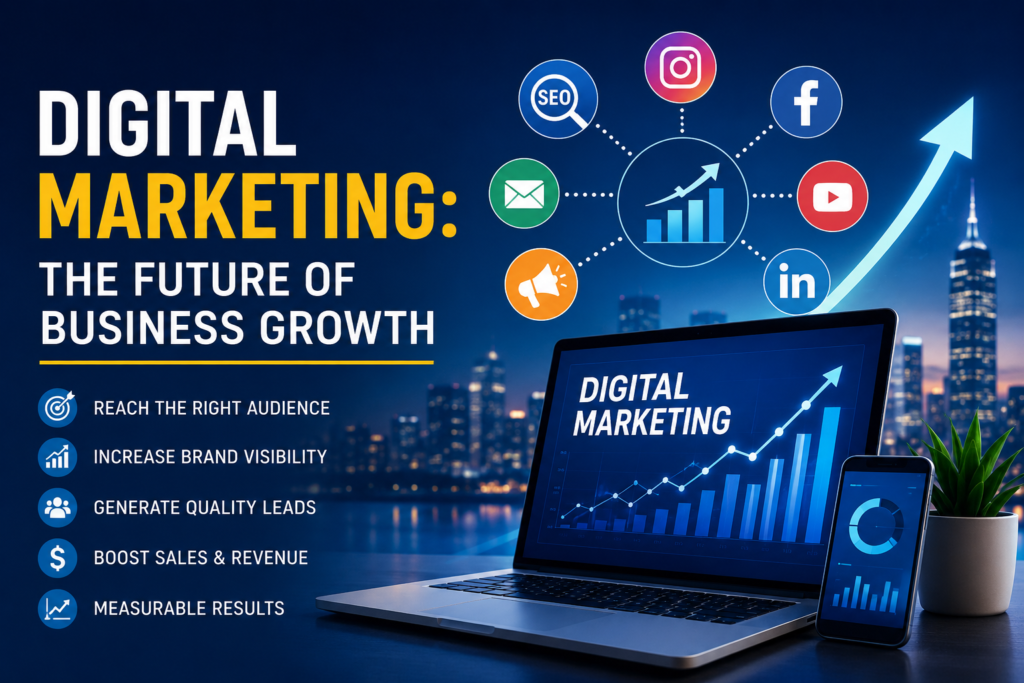
Digital marketing is the process of promoting products, services, or brands using online channels such as search engines, social media platforms, websites, email, and mobile applications. Unlike traditional marketing methods, digital marketing allows businesses to reach highly targeted audiences, measure campaign performance in real time, and optimize strategies based on actual data.
Whether it is a small startup, a local business, or a multinational corporation, digital marketing plays a crucial role in helping organizations achieve their business goals in an increasingly competitive market.
Why Digital Marketing is Important
The internet has changed consumer behavior significantly. Before making a purchase, most customers conduct online research, compare options, read customer reviews, and seek recommendations on social media platforms. Businesses that fail to establish a strong online presence risk losing potential customers to competitors who are more visible online.
Digital marketing offers several advantages:
- Global reach with local targeting capabilities.
- Cost-effective marketing compared to traditional advertising.
- Real-time performance tracking and analytics.
- Better customer engagement and communication.
- Higher return on investment through optimized campaigns.
- Ability to reach the right audience at the right time.
These benefits make digital marketing an essential part of every successful business strategy.
Key Components of Digital Marketing
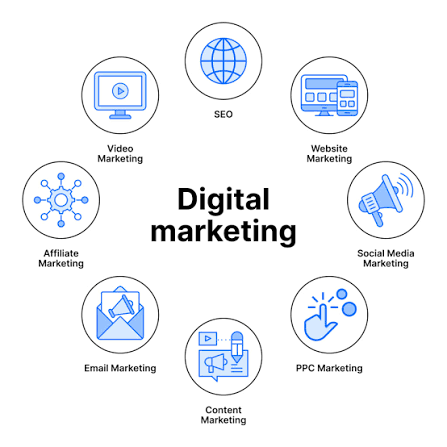
Search Engine Optimization (SEO)
Search Engine Optimization, commonly known as SEO, is the process of improving a website’s visibility in search engine results. When users search for products or services related to a business, SEO helps ensure that the website appears higher in search rankings.
SEO involves:
- Keyword research
- On-page optimization
- Technical SEO
- Content optimization
- Link building
- User experience improvements
A strong SEO strategy helps businesses attract organic traffic without paying for every visitor.
Search Engine Marketing (SEM)
Search Engine Marketing involves paid advertising campaigns on search engines. Businesses bid on keywords to display advertisements when users search for specific terms.
SEM offers:
- Instant visibility
- Highly targeted traffic
- Measurable results
- Flexible budgeting
- Fast lead generation
Popular advertising platforms include search engine advertising networks that allow businesses to target audiences based on location, demographics, interests, and search intent.
Social Media Marketing (SMM)
Social media platforms have become powerful marketing channels for businesses of all sizes. Social media marketing focuses on creating and sharing content to engage audiences, build brand awareness, and drive website traffic.
Benefits include:
- Increased brand visibility
- Customer engagement
- Community building
- Lead generation
- Customer support opportunities
Successful social media marketing requires consistency, creativity, and understanding audience preferences.
Content Marketing
Content marketing focuses on creating valuable and informative content that attracts and retains customers. Instead of directly selling products, businesses provide useful information that helps solve customer problems.
Examples include:
- Blog articles
- Guides and tutorials
- Videos
- Infographics
- Case studies
- E-books
High-quality content builds trust and positions a business as an industry authority.
Email Marketing
Email marketing remains one of the highest-performing digital marketing channels. It allows businesses to communicate directly with customers through newsletters, promotional campaigns, and personalized messages.
Advantages include:
- High return on investment
- Personalized communication
- Customer retention
- Automated marketing workflows
- Increased customer loyalty
Pay-Per-Click Advertising (PPC)
PPC advertising allows businesses to pay only when users click on their advertisements. This model provides quick traffic and measurable performance.
PPC campaigns can be optimized based on:
- Keywords
- Audience demographics
- Device type
- Geographic location
- User behavior
Affiliate Marketing
Affiliate marketing involves partnering with individuals or organizations that promote products or services in exchange for commissions on sales or leads generated.
This strategy helps businesses expand their reach while maintaining cost efficiency.
Influencer Marketing
Influencer marketing leverages individuals with strong online followings to promote products and services to their audiences. This method can improve credibility and reach niche markets effectively.
The Role of Websites in Digital Marketing
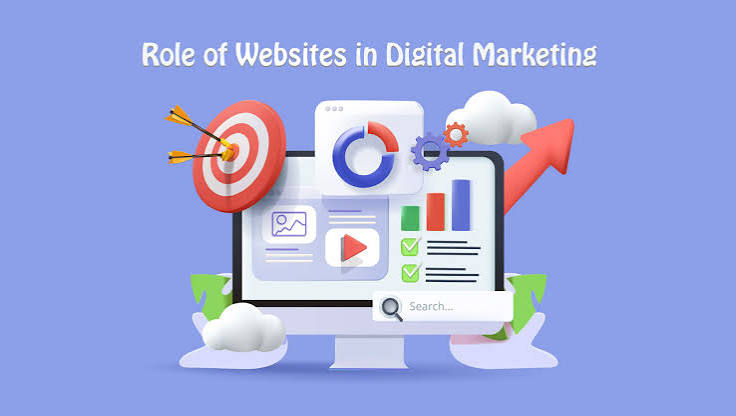
A website serves as the digital headquarters of a business. It is often the first interaction potential customers have with a brand. A professional website should be:
- Mobile responsive
- Fast loading
- Easy to navigate
- SEO optimized
- Secure
- Conversion-focused
Without a strong website, many digital marketing efforts become less effective.
Importance of Analytics and Data
One of the greatest strengths of digital marketing is the ability to measure results accurately. Businesses can track:
- Website visitors
- Conversion rates
- Traffic sources
- Customer behavior
- Advertising performance
- Return on investment
Data-driven decisions help improve campaign effectiveness and reduce marketing costs.
Digital Marketing Career Opportunities
Digital marketing has created numerous career opportunities across industries. Some popular roles include:
- SEO Specialist
- Social Media Manager
- Content Writer
- PPC Expert
- Email Marketing Specialist
- Web Analyst
- Digital Marketing Manager
- Marketing Automation Specialist
As businesses continue to increase their online presence, demand for skilled digital marketers continues to grow.
Future of Digital Marketing
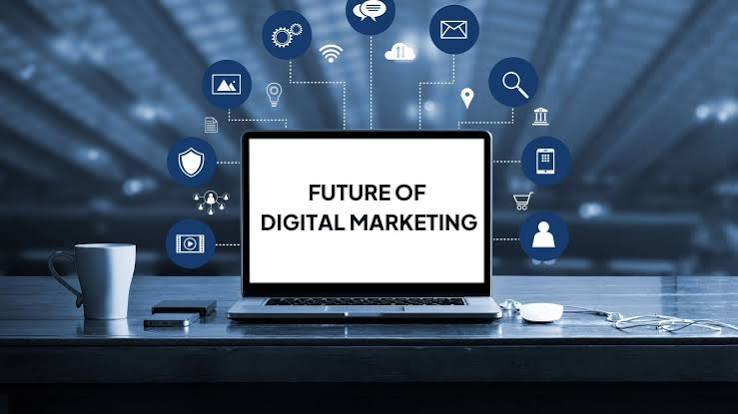
Emerging technologies such as artificial intelligence, automation, voice search, and advanced analytics are reshaping the digital marketing industry. Businesses that adapt to these changes will remain competitive and continue to grow.
Future trends include:
- AI-powered personalization
- Voice search optimization
- Marketing automation
- Video-first content strategies
- Predictive analytics
- Conversational marketing
Organizations that embrace innovation will be better positioned for long-term success.
Conclusion
Digital marketing is no longer an optional business activity—it is a fundamental requirement for growth in the digital era. It enables businesses to connect with customers, increase visibility, generate leads, and build lasting relationships in ways that traditional marketing cannot match.
Whether you are a business owner looking to expand your reach or an individual seeking a promising career path, understanding digital marketing provides a significant advantage in today’s competitive environment. By combining strategy, creativity, technology, and data-driven decision-making, digital marketing continues to shape the future of business and communication.